
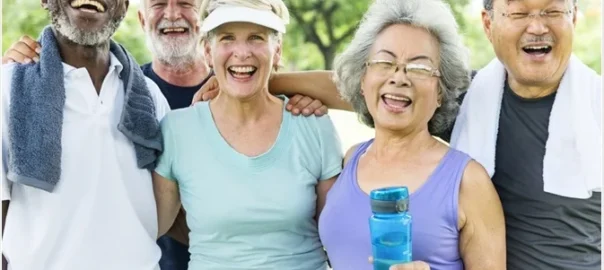
Aging is inevitable. Wrinkles will appear, joints may creak, and hair will gray. These are the natural signatures of a life lived. But there is a profound difference between chronological age—the number of candles on your birthday cake—and biological age—how old your body actually acts and feels. Some people are old at 60, frail and burdened by chronic disease. Others are young at 80, vibrant, active, and sharp-minded. The difference is not luck. It is the cumulative result of daily habits. Healthy aging is not about stopping the clock; it’s about winding it more slowly, adding life to your years, not just years to your life.
The Blueprint for Healthy Aging: Habits That Keep You Young


Movement as Medicine for Life
The single most powerful predictor of how well you age is your level of physical activity. The old adage “use it or lose it” is biological fact. Muscle mass naturally declines with age (sarcopenia), but this process can be dramatically slowed, and even reversed, with regular strength training. Lifting weights or doing bodyweight exercises two to three times per week preserves muscle, strengthens bones, and keeps your metabolism revving. Strong muscles protect your joints, improve your balance, and keep you independent. They are the difference between struggling to carry groceries and doing it with ease.
Equally important is cardiovascular exercise. Walking, swimming, cycling—any activity that gets your heart pumping—keeps your heart and lungs strong. It helps maintain healthy blood pressure and cholesterol levels. It improves circulation, delivering oxygen and nutrients to every cell in your body. Perhaps most importantly for aging, regular aerobic exercise is one of the most powerful tools for preserving brain health. It stimulates the production of BDNF, the “fertilizer” for brain cells, which keeps your mind sharp and may delay the onset of cognitive decline.
The key is consistency and variety. Find activities you enjoy, so you’ll stick with them. Mix strength training with cardio with flexibility work like yoga or stretching. Movement throughout the day, not just in structured workouts, matters too. Take the stairs, garden, walk to the store. A body in motion stays in motion.
Nutrition for Longevity
What you put on your plate is the fuel for your aging journey. There is no single “magic” diet for longevity, but research from the world’s “Blue Zones”—regions where people live the longest, healthiest lives—reveals consistent patterns. These diets are predominantly plant-based, rich in vegetables, fruits, legumes, and whole grains. They are low in processed foods, refined sugars, and unhealthy fats.
Protein becomes increasingly important as we age. To combat muscle loss, older adults need to be intentional about consuming adequate protein at each meal. This doesn’t necessarily mean massive steaks; it means including beans, lentils, fish, eggs, poultry, or tofu in your daily eating pattern. Healthy fats, particularly omega-3 fatty acids found in fish, walnuts, and flaxseeds, are crucial for brain health and reducing inflammation. Staying hydrated is also critical, as the sense of thirst can diminish with age, leading to subtle but damaging chronic dehydration.
Caloric restriction, or simply eating slightly less than you think you need, has been shown in numerous studies to extend lifespan and healthspan in animals. The concept is to give your digestive system a break and reduce the metabolic load on your cells. This doesn’t mean starvation; it means being mindful of portions and avoiding chronic overeating.
The Social and Cognitive Dimensions
Healthy aging is not just about the body; it’s about the mind and the heart. Social connection is a powerful longevity factor. People with strong social ties—close friends, family, community involvement—live longer and healthier lives than those who are isolated. Loneliness is a health hazard. Make the effort to nurture relationships, join clubs, volunteer, or simply call a friend. Staying socially engaged keeps your mind active and provides emotional support through life’s challenges.
Cognitive engagement is equally vital. Your brain thrives on novelty and challenge. Learning a new language, picking up a musical instrument, doing puzzles, or even taking a different route on your daily walk—these activities stimulate neuroplasticity, building new neural connections and creating “cognitive reserve” that protects against decline. The goal is to be a lifelong learner, constantly curious about the world.
Finally, a positive outlook matters. How you perceive aging can actually influence how you age. Studies have shown that people with a positive view of aging—who see it as a time of wisdom, growth, and new opportunities—live, on average, 7.5 years longer than those with negative views. Your mindset is not just a reflection of your health; it is a determinant of it.
The blueprint for healthy aging is not complicated. It is built on the same fundamentals that support health at any age: move your body, eat real food, nurture your connections, challenge your mind, and cultivate a positive spirit. These habits, practiced consistently over a lifetime, are the closest thing we have to a fountain of youth.