
For centuries, the gut was viewed as little more than a simple digestive tube—a passageway for food to travel through, be broken down, and eliminated. We paid it little attention unless it was actively causing us discomfort. Today, that view has been completely overturned. A revolution in scientific understanding has revealed that the gut is far more complex and influential than we ever imagined. It is now often referred to as the “second brain,” and its health is intimately connected to virtually every aspect of our well-being, from our immunity to our mood to our risk of chronic disease. Understanding your gut is understanding the very core of your health.
Gut Health: Understanding Your Second Brain

The Microbial Universe Within You
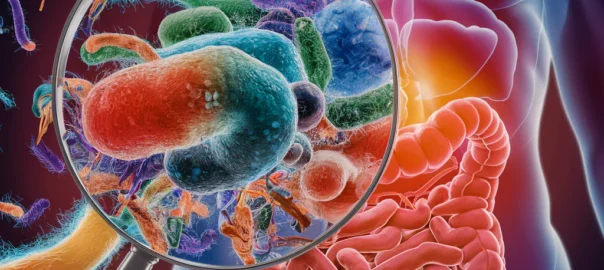
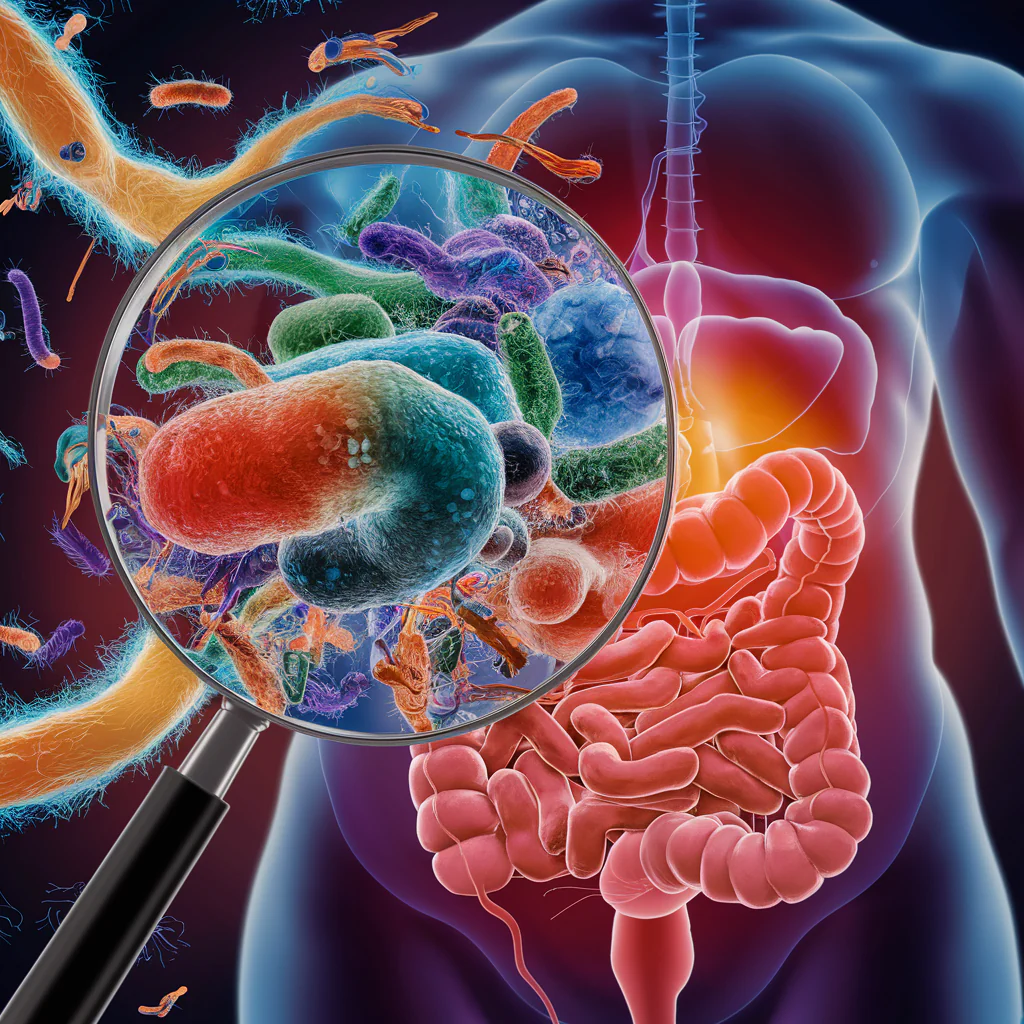
The first thing to understand is that your gut is not just your own tissue. It is home to a vast and complex ecosystem of trillions of microorganisms, including bacteria, viruses, fungi, and other microbes. This collection is known as the gut microbiome. These aren’t just passive passengers; they are active participants in your health. In fact, the genes of your microbiome outnumber your own human genes by about 150 to one. You are, in a very real sense, more microbe than human.
These tiny inhabitants play an enormous role in digestion. They help break down dietary fibers that your own body cannot digest, converting them into beneficial compounds called short-chain fatty acids, which nourish the cells lining your colon and have powerful anti-inflammatory effects. They produce essential vitamins, including vitamin K and several B vitamins. They act as a barrier, preventing harmful pathogens from colonizing your gut and making you sick. A healthy, diverse microbiome is like a thriving, biodiverse rainforest. An unhealthy, imbalanced microbiome is like a lawn overrun with weeds.
The Gut-Immune Connection
Perhaps the most critical role of the gut is its function as the body’s first line of defense. Approximately 70% to 80% of your entire immune system resides in your gut. This makes sense when you think about it. Your gut is the primary interface between the outside world and the inside of your body. Everything you eat and drink passes through it, bringing with it a constant stream of potential threats, from pathogens to toxins.
The gut-associated lymphoid tissue (GALT) is a sophisticated network of immune cells that lines your intestinal wall. Its job is to distinguish between friend (food, beneficial microbes) and foe (harmful bacteria, viruses). A healthy gut lining, held together by tight junctions, acts as a barrier, keeping harmful substances out of your bloodstream. When the gut is unhealthy, due to poor diet, stress, or other factors, these tight junctions can become loose—a condition often referred to as “leaky gut.” This allows partially digested food particles, toxins, and bacteria to leak into the bloodstream, triggering widespread inflammation and immune reactions that are now linked to a range of autoimmune diseases, allergies, and chronic health conditions.
The Gut-Brain Axis: How Your Belly Affects Your Mood
The most fascinating frontier in gut health research is the gut-brain axis. This is a bidirectional communication system linking your gut and your brain. They are connected physically by the vagus nerve, a superhighway of neurons that runs directly from your brainstem to your abdomen. They are connected chemically through the neurotransmitters and other signaling molecules produced in your gut.
Here’s the astonishing part: your gut microbes produce hundreds of neurochemicals that your brain uses to regulate mood and cognition. For example, an estimated 90% to 95% of your body’s serotonin—the “feel-good” neurotransmitter that is the target of many antidepressant medications—is produced in your gut, not in your brain. Your gut microbes also produce GABA, a neurotransmitter that has a calming effect on the brain. This means that the state of your gut microbiome can directly influence your mood, your anxiety levels, and even your risk of depression. Studies have shown that people with certain mental health conditions have distinctly different gut microbiomes than those without. The conversation between your gut and your brain is constant, and it profoundly shapes how you feel.
Feeding Your Second Brain
Given the profound importance of gut health, how do you nurture it? The answer lies largely in what you feed it. The single most important thing you can do is eat a diverse range of fiber-rich foods. Different microbes prefer different types of fiber, so eating a wide variety of plants—fruits, vegetables, legumes, whole grains, nuts, and seeds—encourages a diverse and resilient microbiome. Think of fiber as prebiotic “fertilizer” for your good bacteria.
Fermented foods are another powerful tool. Foods like yogurt, kefir, sauerkraut, kimchi, kombucha, and miso contain live beneficial bacteria (probiotics) that can colonize your gut and add to its diversity. It’s also crucial to minimize the things that harm your microbiome: a diet high in ultra-processed foods, sugar, and artificial sweeteners, as well as chronic stress, lack of sleep, and unnecessary antibiotic use.
Your gut is not just a passive organ; it is a dynamic, living ecosystem at the very center of your health. When you care for your gut, you are caring for your immunity, your mood, and your resilience against disease. It truly is your second brain, and it deserves your full attention.