Tag Archives: Health

Lasting Lifestyle

Building Habits That Stick, The Science of Lasting Lifestyle Change

We’ve all been there. January 1st arrives, and we’re filled with determination. This year, we tell ourselves, will be different. We’ll exercise every day, eat perfectly, meditate, and finally become the healthier version of ourselves we’ve always wanted to be. We buy the gym membership, stock the fridge with kale, and download the meditation app. For a week, maybe two, we’re on fire. Then, slowly, the cracks appear. We miss one workout, then another. The kale wilts in the fridge. The meditation app goes unused. By February, we’re back to where we started, feeling guilty and defeated. The problem isn’t a lack of willpower. The problem is that we don’t understand how habits actually work. Building lasting lifestyle change is not about motivation; it’s about science.

Building Habits That Stick, The Science of Lasting Lifestyle Change

Lasting Lifestyle

The Habit Loop: Cue, Craving, Response, Reward

To change a habit, you first have to understand its anatomy. Charles Duhigg, in his book “The Power of Habit,” popularized the concept of the habit loop, which consists of four components. First is the cue, the trigger that initiates the behavior. This could be a time of day, a location, an emotional state, or the presence of other people. Second is the craving, the motivational force behind the habit. You don’t crave the habit itself; you crave the change in state it delivers. Third is the response, the actual habit you perform, whether it’s reaching for a cigarette, going for a run, or opening the refrigerator. Finally, there’s the reward, the benefit you receive, which satisfies your craving and teaches your brain that this loop is worth remembering.

Understanding this loop is powerful because it reveals that habits are not moral failings; they are neurological patterns. Your brain is constantly looking for ways to save effort. It wants to turn repeated behaviors into automatic routines so it can focus on other things. This is why habits are so hard to break—they’ve been handed over to the automatic part of your brain. But it’s also why they can be built. You can deliberately design new loops and, over time, make them automatic.

Start Tiny: The Power of Atomic Habits

One of the biggest mistakes people make when trying to build new habits is starting too big. They decide they’re going to run five miles every day, when they haven’t exercised in years. This is like trying to lift a weight that’s ten times heavier than you can handle. You’ll fail immediately, and that failure will reinforce a sense of defeat.

James Clear, in his bestselling book “Atomic Habits,” popularized a different approach: start incredibly small. Want to start running? Your new habit is simply putting on your running shoes. Want to start meditating? Your new habit is sitting on your meditation cushion for one minute. Want to start flossing? Your new habit is flossing one tooth.

These tiny actions seem almost laughably small, and that’s the point. They require almost no motivation or willpower. There’s no excuse not to do them. And here’s the magic: once you put on your running shoes, you’ll probably go for a short walk, and maybe even a jog. Once you sit on your cushion for one minute, you’ll likely stay for five. The tiny habit acts as a gateway, lowering the activation energy so much that starting becomes inevitable. Over time, these small, consistent actions compound into remarkable transformations.

Environment Design Over Willpower

We like to believe that we are in control of our choices, but research shows that our environment has a massive, often unconscious, influence on our behavior. Willpower is a limited resource that gets depleted throughout the day. By the evening, your ability to resist temptation is at its lowest. Relying on willpower to make healthy choices is a losing strategy.

A far more effective approach is to design your environment for success. Make the habits you want to adopt as easy as possible, and the habits you want to break as hard as possible. Want to eat more fruit? Place a beautiful bowl of fresh fruit on your kitchen counter, right where you’ll see it. Want to stop mindlessly snacking on chips? Hide them in the back of the highest cupboard, or better yet, don’t buy them at all. Want to exercise in the morning? Lay out your workout clothes next to your bed the night before. Want to read more instead of scrolling on your phone? Put your phone in another room while you sleep and keep a book on your nightstand.

These small environmental tweaks remove the need for constant decision-making. Your environment becomes your ally, gently guiding you toward the behaviors you want, rather than constantly testing your willpower.

Identity-Based Habits

There’s a deeper level to lasting change, and it has to do with how you see yourself. Most people approach habit change with an outcome-based mindset. They say, “I want to lose weight,” or “I want to run a marathon.” These goals are fine, but they don’t address the root of the behavior.

Identity-based habits flip this around. Instead of focusing on what you want to achieve, focus on who you want to become. Every action you take is a vote for the type of person you wish to be. If you run for 20 minutes, you are casting a vote for being a runner. If you make a healthy meal, you are casting a vote for being a healthy eater. If you meditate for five minutes, you are casting a vote for being a mindful person.

Over time, these small votes accumulate. Your beliefs about yourself begin to shift. You stop seeing yourself as someone who is “trying to lose weight” and start seeing yourself as “the kind of person who lives a healthy lifestyle.” This identity shift is powerful because it aligns your actions with your self-image. Once you believe you are a healthy person, making healthy choices feels natural and automatic, not like a constant battle against your own desires.

The Two-Minute Rule and Habit Stacking

Two final techniques can help cement your new habits. The Two-Minute Rule states that when you start a new habit, it should take less than two minutes to do. “Read before bed” becomes “read one page.” “Do yoga” becomes “unroll my yoga mat.” “Study for class” becomes “open my notes.” As we’ve discussed, the goal is to make starting so easy that you can’t say no. Once you’ve started, the momentum often carries you forward.

Habit stacking, a term coined by James Clear, involves linking your new habit to an existing one. The formula is: “After [current habit], I will [new habit].” For example: “After I pour my morning coffee, I will meditate for one minute.” “After I put on my pajamas, I will do one push-up.” “After I sit down to dinner, I will say one thing I’m grateful for.” By anchoring your new behavior to an established routine, you leverage the power of an existing neural pathway, making it much more likely that the new habit will stick.

Building lasting healthy habits is not about perfection. You will miss days. Life will get in the way. The key is to never miss twice. A missed workout is an accident; two missed workouts is the beginning of a new, unwanted habit. Get back on track immediately. Be kind to yourself in the process. Sustainable change is not built in a day or a week; it is built through the accumulation of tiny, consistent actions, repeated over months and years. You have the power to rewire your brain and redesign your life, one small habit at a time.


Healthy Aging

The Blueprint for Healthy Aging, Habits That Keep You Young

Aging is inevitable. Wrinkles will appear, joints may creak, and hair will gray. These are the natural signatures of a life lived. But there is a profound difference between chronological age—the number of candles on your birthday cake—and biological age—how old your body actually acts and feels. Some people are old at 60, frail and burdened by chronic disease. Others are young at 80, vibrant, active, and sharp-minded. The difference is not luck. It is the cumulative result of daily habits. Healthy aging is not about stopping the clock; it’s about winding it more slowly, adding life to your years, not just years to your life.

The Blueprint for Healthy Aging: Habits That Keep You Young

Healthy Aging

Movement as Medicine for Life

The single most powerful predictor of how well you age is your level of physical activity. The old adage “use it or lose it” is biological fact. Muscle mass naturally declines with age (sarcopenia), but this process can be dramatically slowed, and even reversed, with regular strength training. Lifting weights or doing bodyweight exercises two to three times per week preserves muscle, strengthens bones, and keeps your metabolism revving. Strong muscles protect your joints, improve your balance, and keep you independent. They are the difference between struggling to carry groceries and doing it with ease.

Equally important is cardiovascular exercise. Walking, swimming, cycling—any activity that gets your heart pumping—keeps your heart and lungs strong. It helps maintain healthy blood pressure and cholesterol levels. It improves circulation, delivering oxygen and nutrients to every cell in your body. Perhaps most importantly for aging, regular aerobic exercise is one of the most powerful tools for preserving brain health. It stimulates the production of BDNF, the “fertilizer” for brain cells, which keeps your mind sharp and may delay the onset of cognitive decline.

The key is consistency and variety. Find activities you enjoy, so you’ll stick with them. Mix strength training with cardio with flexibility work like yoga or stretching. Movement throughout the day, not just in structured workouts, matters too. Take the stairs, garden, walk to the store. A body in motion stays in motion.

Nutrition for Longevity

What you put on your plate is the fuel for your aging journey. There is no single “magic” diet for longevity, but research from the world’s “Blue Zones”—regions where people live the longest, healthiest lives—reveals consistent patterns. These diets are predominantly plant-based, rich in vegetables, fruits, legumes, and whole grains. They are low in processed foods, refined sugars, and unhealthy fats.

Protein becomes increasingly important as we age. To combat muscle loss, older adults need to be intentional about consuming adequate protein at each meal. This doesn’t necessarily mean massive steaks; it means including beans, lentils, fish, eggs, poultry, or tofu in your daily eating pattern. Healthy fats, particularly omega-3 fatty acids found in fish, walnuts, and flaxseeds, are crucial for brain health and reducing inflammation. Staying hydrated is also critical, as the sense of thirst can diminish with age, leading to subtle but damaging chronic dehydration.

Caloric restriction, or simply eating slightly less than you think you need, has been shown in numerous studies to extend lifespan and healthspan in animals. The concept is to give your digestive system a break and reduce the metabolic load on your cells. This doesn’t mean starvation; it means being mindful of portions and avoiding chronic overeating.

The Social and Cognitive Dimensions

Healthy aging is not just about the body; it’s about the mind and the heart. Social connection is a powerful longevity factor. People with strong social ties—close friends, family, community involvement—live longer and healthier lives than those who are isolated. Loneliness is a health hazard. Make the effort to nurture relationships, join clubs, volunteer, or simply call a friend. Staying socially engaged keeps your mind active and provides emotional support through life’s challenges.

Cognitive engagement is equally vital. Your brain thrives on novelty and challenge. Learning a new language, picking up a musical instrument, doing puzzles, or even taking a different route on your daily walk—these activities stimulate neuroplasticity, building new neural connections and creating “cognitive reserve” that protects against decline. The goal is to be a lifelong learner, constantly curious about the world.

Finally, a positive outlook matters. How you perceive aging can actually influence how you age. Studies have shown that people with a positive view of aging—who see it as a time of wisdom, growth, and new opportunities—live, on average, 7.5 years longer than those with negative views. Your mindset is not just a reflection of your health; it is a determinant of it.

The blueprint for healthy aging is not complicated. It is built on the same fundamentals that support health at any age: move your body, eat real food, nurture your connections, challenge your mind, and cultivate a positive spirit. These habits, practiced consistently over a lifetime, are the closest thing we have to a fountain of youth.

Gut Health

Gut Health, Understanding Your Second Brain

For centuries, the gut was viewed as little more than a simple digestive tube—a passageway for food to travel through, be broken down, and eliminated. We paid it little attention unless it was actively causing us discomfort. Today, that view has been completely overturned. A revolution in scientific understanding has revealed that the gut is far more complex and influential than we ever imagined. It is now often referred to as the “second brain,” and its health is intimately connected to virtually every aspect of our well-being, from our immunity to our mood to our risk of chronic disease. Understanding your gut is understanding the very core of your health.

Gut Health: Understanding Your Second Brain

Gut Health

The Microbial Universe Within You

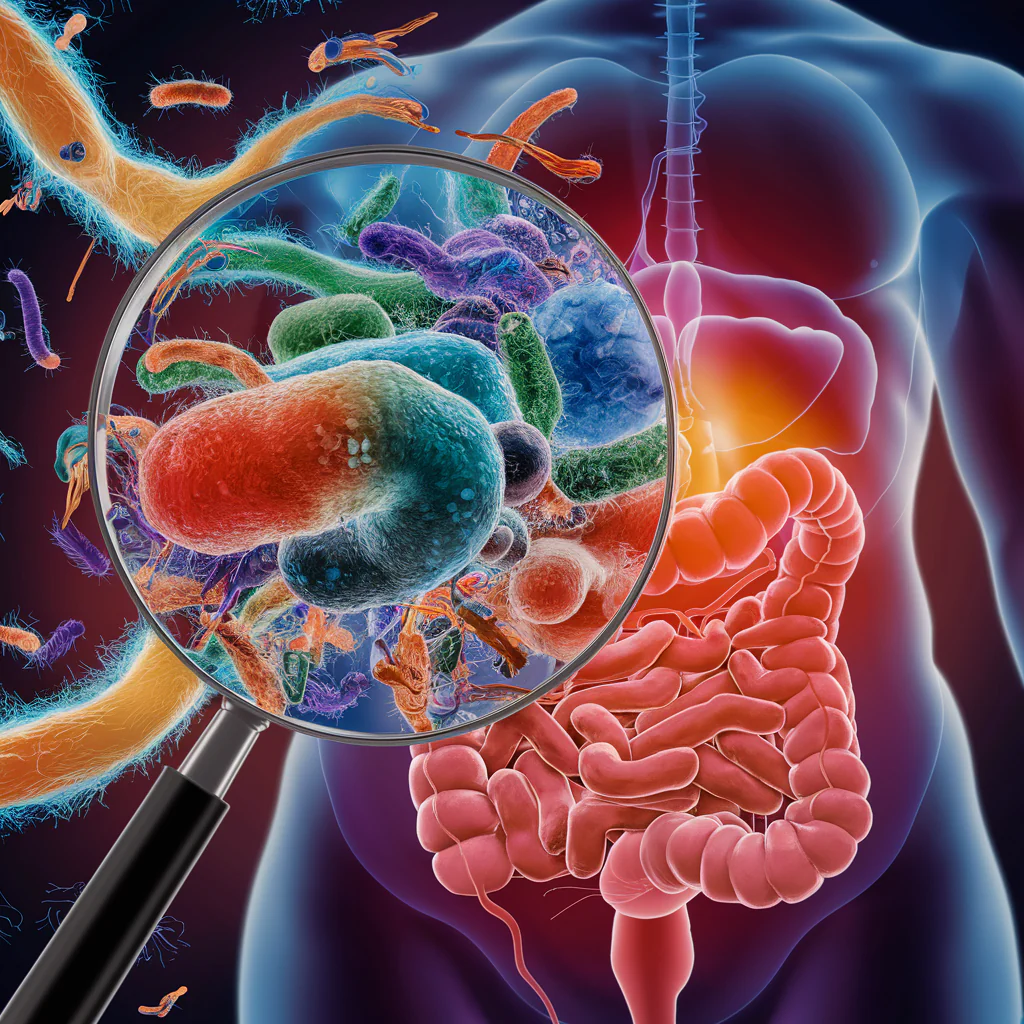
The first thing to understand is that your gut is not just your own tissue. It is home to a vast and complex ecosystem of trillions of microorganisms, including bacteria, viruses, fungi, and other microbes. This collection is known as the gut microbiome. These aren’t just passive passengers; they are active participants in your health. In fact, the genes of your microbiome outnumber your own human genes by about 150 to one. You are, in a very real sense, more microbe than human.

These tiny inhabitants play an enormous role in digestion. They help break down dietary fibers that your own body cannot digest, converting them into beneficial compounds called short-chain fatty acids, which nourish the cells lining your colon and have powerful anti-inflammatory effects. They produce essential vitamins, including vitamin K and several B vitamins. They act as a barrier, preventing harmful pathogens from colonizing your gut and making you sick. A healthy, diverse microbiome is like a thriving, biodiverse rainforest. An unhealthy, imbalanced microbiome is like a lawn overrun with weeds.

The Gut-Immune Connection

Perhaps the most critical role of the gut is its function as the body’s first line of defense. Approximately 70% to 80% of your entire immune system resides in your gut. This makes sense when you think about it. Your gut is the primary interface between the outside world and the inside of your body. Everything you eat and drink passes through it, bringing with it a constant stream of potential threats, from pathogens to toxins.

The gut-associated lymphoid tissue (GALT) is a sophisticated network of immune cells that lines your intestinal wall. Its job is to distinguish between friend (food, beneficial microbes) and foe (harmful bacteria, viruses). A healthy gut lining, held together by tight junctions, acts as a barrier, keeping harmful substances out of your bloodstream. When the gut is unhealthy, due to poor diet, stress, or other factors, these tight junctions can become loose—a condition often referred to as “leaky gut.” This allows partially digested food particles, toxins, and bacteria to leak into the bloodstream, triggering widespread inflammation and immune reactions that are now linked to a range of autoimmune diseases, allergies, and chronic health conditions.

The Gut-Brain Axis: How Your Belly Affects Your Mood

The most fascinating frontier in gut health research is the gut-brain axis. This is a bidirectional communication system linking your gut and your brain. They are connected physically by the vagus nerve, a superhighway of neurons that runs directly from your brainstem to your abdomen. They are connected chemically through the neurotransmitters and other signaling molecules produced in your gut.

Here’s the astonishing part: your gut microbes produce hundreds of neurochemicals that your brain uses to regulate mood and cognition. For example, an estimated 90% to 95% of your body’s serotonin—the “feel-good” neurotransmitter that is the target of many antidepressant medications—is produced in your gut, not in your brain. Your gut microbes also produce GABA, a neurotransmitter that has a calming effect on the brain. This means that the state of your gut microbiome can directly influence your mood, your anxiety levels, and even your risk of depression. Studies have shown that people with certain mental health conditions have distinctly different gut microbiomes than those without. The conversation between your gut and your brain is constant, and it profoundly shapes how you feel.

Feeding Your Second Brain

Given the profound importance of gut health, how do you nurture it? The answer lies largely in what you feed it. The single most important thing you can do is eat a diverse range of fiber-rich foods. Different microbes prefer different types of fiber, so eating a wide variety of plants—fruits, vegetables, legumes, whole grains, nuts, and seeds—encourages a diverse and resilient microbiome. Think of fiber as prebiotic “fertilizer” for your good bacteria.

Fermented foods are another powerful tool. Foods like yogurt, kefir, sauerkraut, kimchi, kombucha, and miso contain live beneficial bacteria (probiotics) that can colonize your gut and add to its diversity. It’s also crucial to minimize the things that harm your microbiome: a diet high in ultra-processed foods, sugar, and artificial sweeteners, as well as chronic stress, lack of sleep, and unnecessary antibiotic use.

Your gut is not just a passive organ; it is a dynamic, living ecosystem at the very center of your health. When you care for your gut, you are caring for your immunity, your mood, and your resilience against disease. It truly is your second brain, and it deserves your full attention.

Stress Management

Stress Management in a Chaotic World, Practical Tools for Daily Calm

Stress has become the background noise of modern life. Deadlines loom, notifications ping, news alerts flash, and responsibilities pile up. We have come to accept a certain level of chronic stress as normal, even inevitable. We wear our busyness as a badge of honor and weariness as a sign of importance. But chronic stress is not a harmless byproduct of a successful life. It is a slow-acting poison that erodes our physical health, clouds our thinking, and robs us of joy. Learning to manage stress is not about escaping from life’s challenges; it is about building the resilience to face them without falling apart. It is one of the most essential skills for a healthy life.

Stress Management in a Chaotic World, Practical Tools for Daily Calm

Stress Management

Understanding the Stress Response

To manage stress effectively, you first have to understand what it is. The stress response, also known as the “fight or flight” response, is an ancient biological survival mechanism. When your brain perceives a threat—whether it’s a saber-toothed tiger or an angry email from your boss—it triggers a cascade of physiological changes. Your adrenal glands release cortisol and adrenaline. Your heart rate and blood pressure surge. Your breathing becomes rapid and shallow. Blood is shunted away from non-essential functions like digestion and toward your muscles, preparing you to fight or flee.

This response is brilliant when it’s used for its intended purpose: short-term survival. The problem in the modern world is that the threat never goes away. Your boss keeps sending emails. The bills keep coming. The news cycle never stops. Your stress response is activated not in rare, life-or-death moments, but chronically, day after day, year after year. This is when stress becomes toxic. Your body is constantly in survival mode, and it begins to break down under the strain.

The Physical and Mental Toll

The consequences of chronic stress are staggering. Physically, persistently elevated cortisol contributes to weight gain, particularly around the midsection. It suppresses your immune system, making you more vulnerable to infections. It disrupts digestion, contributing to irritable bowel syndrome and other gut issues. It increases inflammation, a key driver of heart disease, diabetes, and autoimmune conditions. It can even shrink the brain, specifically the areas involved in memory and emotional regulation.

Mentally, chronic stress leaves you in a state of constant vigilance. You become irritable, anxious, and easily overwhelmed. Your ability to concentrate and make decisions plummets. You may find yourself lying awake at night, your mind racing with worries. Over time, unmanaged stress is a major contributor to anxiety disorders, depression, and burnout. It doesn’t just make you feel bad; it fundamentally changes how your brain and body function.

Tool 1: The Breath as an Anchor

The good news is that you have a powerful tool for managing stress with you at all times: your breath. The breath is unique because it sits at the intersection of the voluntary and involuntary nervous systems. You breathe automatically, but you can also consciously control it. And when you change your breath, you change your physiology.

When you are stressed, your breathing becomes shallow and rapid. This signals to your brain that you are in danger, reinforcing the stress response. By consciously slowing and deepening your breath, you send the opposite signal. You activate the parasympathetic nervous system, the “rest and digest” system that calms the body down. A simple technique is box breathing: inhale for a count of four, hold for four, exhale for four, hold for four. Repeat for just one or two minutes. This simple practice can lower your heart rate, reduce blood pressure, and bring a sense of calm in moments of acute stress.

Tool 2: The Power of Movement

Physical activity is one of the most effective stress management tools available. Exercise burns off the stress chemicals—cortisol and adrenaline—that have accumulated in your body. It also triggers the release of endorphins, the body’s natural mood elevators. You don’t need to run a marathon to get the benefit. A brisk 20-minute walk, especially in nature, can significantly lower stress levels. Yoga, with its combination of movement and breath work, is particularly effective. The key is to find movement that feels good and to make it a regular part of your routine, not just something you do when you’re already overwhelmed.

Tool 3: Setting Boundaries and Saying No

Much of our stress comes from taking on too much. We say yes to requests out of guilt, obligation, or a fear of missing out. We fill our calendars to the brim and then wonder why we feel depleted. Learning to set healthy boundaries is an essential stress management skill. This means saying no to things that drain you so you have energy for things that nourish you. It means protecting your time off. It means turning off work notifications in the evening. It means giving yourself permission to rest without feeling guilty. Boundaries are not walls to keep people out; they are gates that let you control what comes in.

Tool 4: The Practice of Gratitude

When you are stressed, your brain’s negativity bias kicks in. You focus on threats, problems, and things that are going wrong. This is another survival mechanism, but it creates a distorted view of reality. The practice of gratitude is a powerful antidote. By intentionally focusing on things you are grateful for—a supportive friend, a beautiful sunset, a warm cup of tea—you shift your brain’s attention away from threat and toward abundance. This doesn’t mean ignoring problems; it means balancing your perspective. A simple practice of writing down three things you are grateful for each day can, over time, rewire your brain to be more resilient and less reactive to stress.

Stress is an unavoidable part of life, but suffering from it is not. By building a toolkit of practical stress management techniques, you can navigate the chaos of the modern world with greater calm, clarity, and resilience. You cannot control everything that happens to you, but you can control how you respond. And that response begins with the breath, the body, and the boundaries you choose to set.